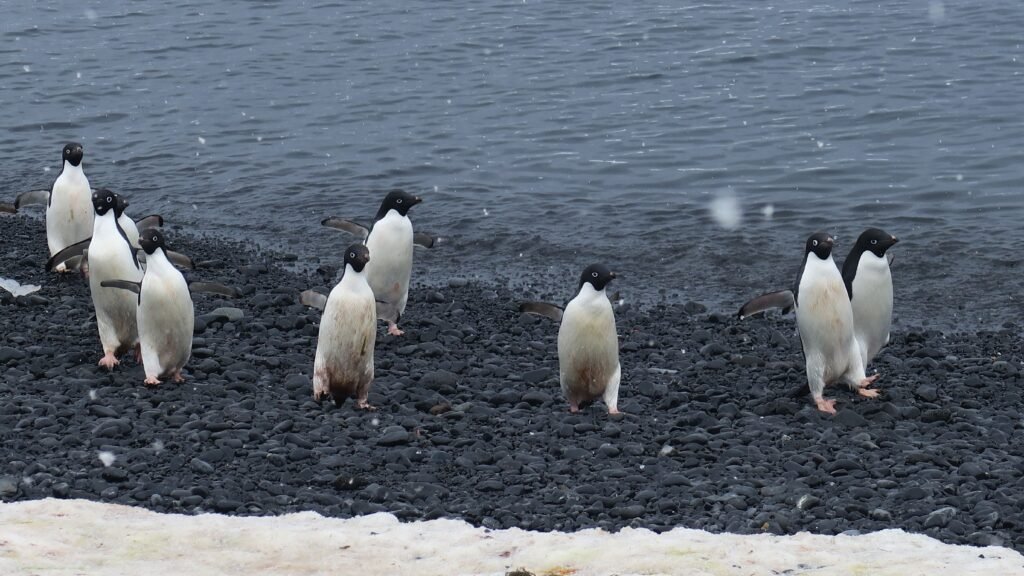
In March 2024, an expedition reached the Danger Islands off the tip of the Antarctic Peninsula and found thousands of dead Adélie penguins (Pygoscelis adeliae) scattered across two islands. The timing seemed to explain everything. A highly pathogenic strain of H5N1 bird flu had arrived in the Antarctic region only months earlier, and the virus had already killed seabirds and marine mammals across South America. Bird flu looked like the obvious culprit.
It wasn’t. When researchers finished the laboratory work, published in Proceedings of the Royal Society B in October 2026, the main killer turned out to be a far older enemy: avian cholera, caused by the bacterium Pasteurella multocida. The bacterium appeared in 46 of the 49 birds sampled. H5N1 was found in only a few (Iervolino et al., 2026; Phys.org summary).
That reversal sums up the state of penguin health science. Penguins face a wider range of diseases than most people realize, the threats are changing quickly, and what we see from a distance is often not what is actually happening. This article looks at the major diseases affecting wild penguins, what scientists have confirmed about each, and how veterinarians and conservationists are working to protect populations that are already under pressure.
Why Disease Matters More for Penguins Now
Diseases have always been part of penguin life. Parasites, bacteria, and viruses circulate in every wild population, and most colonies absorb some losses each year without lasting harm.
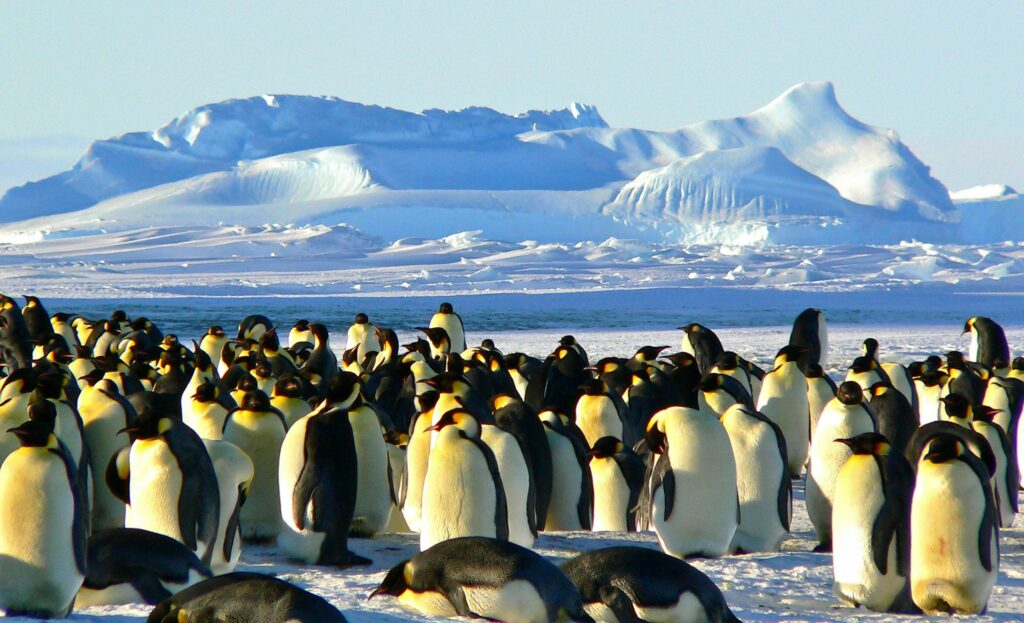
What has changed is the context. Of the world’s penguin species, a large share are now listed as threatened on the IUCN Red List. When a population is already shrinking because of food shortages, warming seas, or habitat loss, an outbreak that a healthy colony could absorb can push it closer to collapse. Penguins also breed in dense colonies, sometimes hundreds of thousands of birds packed into a few square kilometers, which is ideal for spreading infectious disease.
Three factors make the current situation especially serious:
- New pathogens are arriving. Viruses and parasites are reaching places where penguins have little or no evolutionary history with them.
- Climate is shifting disease ranges. Warmer conditions can allow disease-carrying insects such as mosquitoes to survive in areas that were once too cold or dry.
- Small populations have little margin. For species numbering only a few thousand birds, a single bad breeding season can matter for decades.
Highly Pathogenic Avian Influenza (H5N1)
How Did Bird Flu Reach Penguins?
The H5N1 strain behind the current global outbreak, known as clade 2.3.4.4b, spread through wild birds across much of the world from 2021 onward. It moved down the Pacific coast of South America in late 2022 and 2023, killing large numbers of sea lions and seabirds, and reached the sub-Antarctic and Antarctic region during the 2023/24 southern summer, carried by migrating wildlife (SCAR HPAI Update, December 2024).
Which Penguins Have Been Affected?
The picture varies by region, and the numbers are often less clear than headlines suggest.
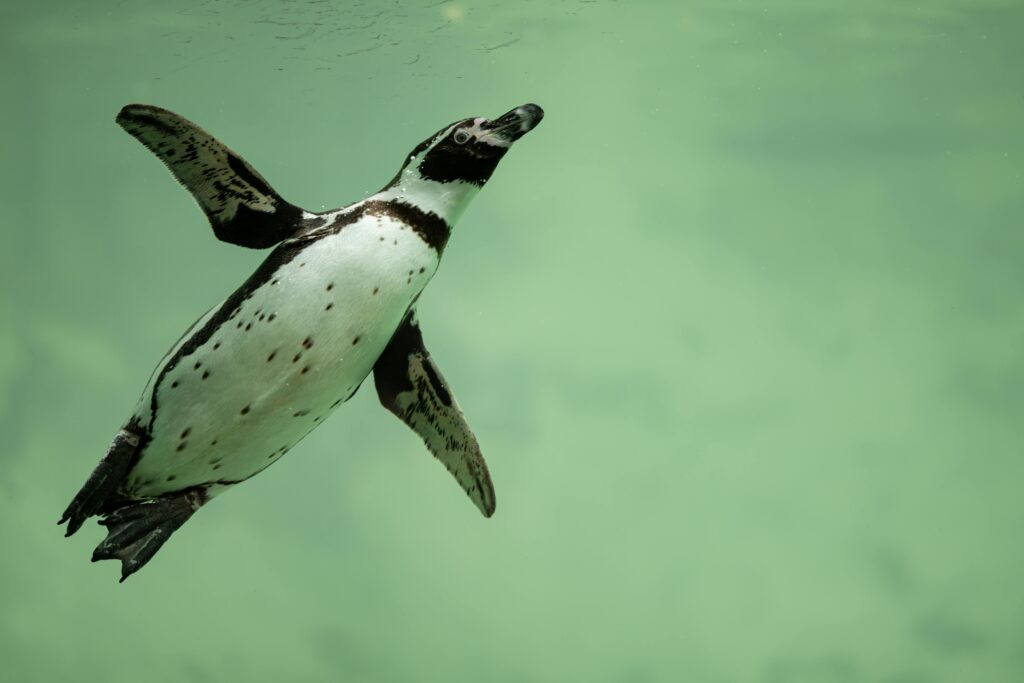
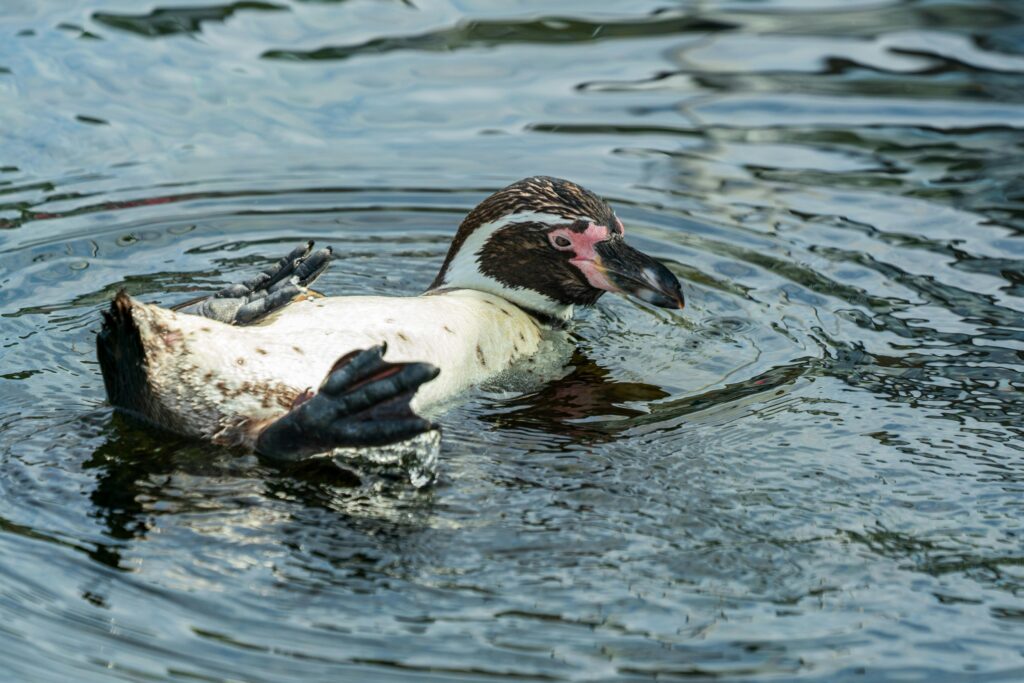
Humboldt penguins in Chile. Between January and August 2023, Chilean authorities recorded 2,712 dead Humboldt penguins (Spheniscus humboldti) along the coast. Yet of the 181 carcasses tested for the virus, only four were positive for H5N1 (Preventive Veterinary Medicine study, 2024). The scale of the die-off was real, but how much of it bird flu directly caused remains uncertain. Food shortages linked to ocean conditions may also have played a role.
King and gentoo penguins in the sub-Antarctic. On Possession Island in the Crozet archipelago, surveys in late 2024 found more than 150 king penguins (Aptenodytes patagonicus) dead or showing clinical signs at the edges of the colony. Gentoo penguins (Pygoscelis papua) were also among the dead. Researchers noted, however, that affected birds were few compared with the total number of living penguins present (Nature Communications, 2025). Gentoo deaths were also reported in the Falkland Islands in early 2024, though different reports give very different counts.
The Antarctic continent. The clearest confirmed H5N1 die-off on the Antarctic continent so far involved south polar skuas, not penguins. More than 50 skuas died from the virus in the summers of 2023 and 2024 (UC Davis). Skuas prey on penguin eggs and chicks and scavenge carcasses, which puts them in close contact with colonies, so their losses are an early warning rather than a reassurance.
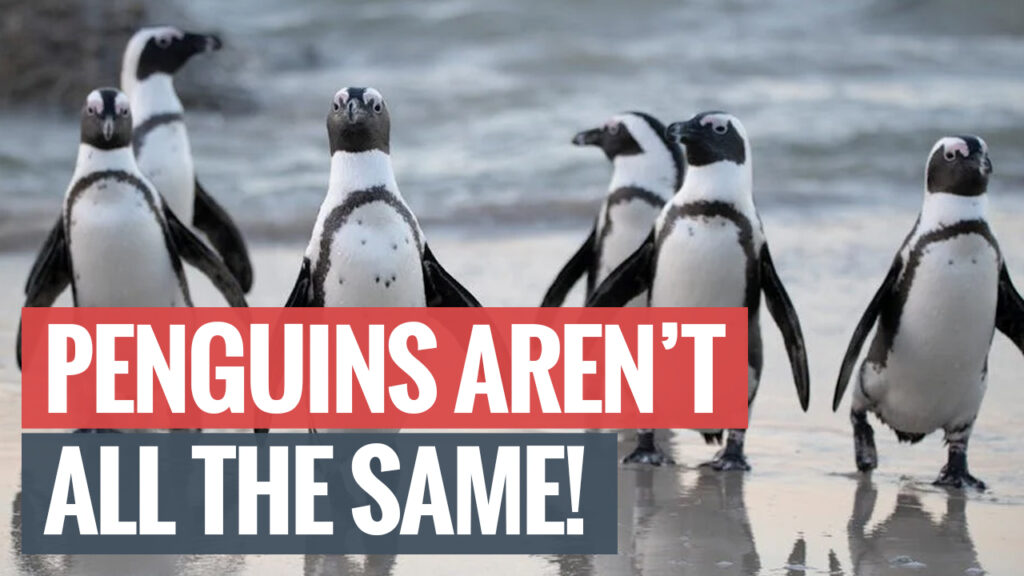
African penguins in South Africa. South Africa experienced two separate incursions of clade 2.3.4.4b viruses, in 2018 and 2021. At least 30,000 coastal seabirds died across those outbreaks, mostly Endangered Cape cormorants and African penguins (Spheniscus demersus) (Roberts, University of Pretoria, 2025). At Boulders Beach near Cape Town, at least 28 penguins in a colony of roughly 3,000 died in a 2022 outbreak (Reuters via Farmtario). For a species now classified as Critically Endangered, every lost breeding adult counts.
Can Penguins Be Vaccinated Against Bird Flu?
Researchers in South Africa have tested this directly. In a trial with 24 captive African penguins, scientists compared two vaccines: a conventional inactivated H5N8 whole-virus vaccine and a virus-like particle (VLP) vaccine produced in tobacco leaves. The inactivated vaccine needed a second dose to produce antibody levels high enough to suppress virus shedding. A single dose of the VLP vaccine reached those levels by day 14, and one bird still carried antibodies on day 430 (Aberystwyth University research portal).
The study had limits. Contamination of the VLP vaccine shortened monitoring, and the birds could not be deliberately exposed to the field virus to confirm protection. Vaccination is being explored as a last-resort tool for captive and rehabilitation populations of a species close to extinction. It is not yet a practical option for millions of wild penguins across remote colonies.
Avian Cholera: The Older Threat Hiding in Plain Sight
Avian cholera is a bacterial disease that can kill birds within hours of the first symptoms. It spreads through contact with sick birds, contaminated water, and carcasses, and it can move rapidly through crowded colonies.
The 2024 Danger Islands outbreak showed how easily it can be overlooked. Genetic analysis found that the strain closely resembled one detected in Antarctic seabirds more than 20 years earlier, suggesting the bacterium has circulated in the region for at least two decades. It was also genetically linked to strains found more than 8,000 kilometers away in the Southern Ocean (Phys.org).
The lesson the researchers drew was not that H5N1 is harmless, but that a mass die-off should never be blamed on one pathogen without testing. As senior author Ralph Vanstreels of the UC Davis One Health Institute noted, other pathogens continue to circulate and kill birds in these populations. If scientists had assumed bird flu and stopped looking, a long-standing and possibly growing threat would have stayed invisible.
Avian Malaria: A Disease Penguins Never Evolved to Face
Why Is Malaria So Dangerous for Penguins?
Avian malaria is caused by Plasmodium parasites transmitted by mosquitoes. Many songbirds carry these parasites with few symptoms. Penguins are different. Most species evolved in cold or isolated environments with few or no mosquitoes, so they never developed effective defenses. Veterinarians describe them as “aberrant hosts”: when infected, they often become severely ill and die quickly, sometimes without obvious signs beforehand (Israel Journal of Veterinary Medicine).
Galápagos Penguins
The Galápagos penguin (Spheniscus mendiculus), with a population of only a few thousand birds, lives in the warmest environment of any penguin. In 2009, researchers reported the first detection of Plasmodium DNA in this endangered species (Levin et al., 2009, Biological Conservation). Later work suggested the parasites likely arrived in the archipelago with migratory birds (Levin et al., 2013, Conservation Biology).
Long-term monitoring revealed a striking pattern. Antibodies to Plasmodium were found in the vast majority of sampled birds, while active parasite DNA was detected in only a small fraction [VERIFY: figures reported as 97.2% seroprevalence and 9.2% PCR prevalence, 2004–2009 sampling]. One interpretation is that exposure is widespread but deaths under normal conditions are relatively low. The concern is what happens if warmer, wetter El Niño years expand mosquito populations, or if more aggressive parasite lineages arrive (Galápagos Conservation Trust).
African Penguins in Rehabilitation
The clearest evidence of how much mosquito control matters comes from South Africa. At SANCCOB, the Southern African Foundation for the Conservation of Coastal Birds, researchers analyzed avian malaria in penguins admitted for rehabilitation. Antibody levels rose after admission, mostly in summer, pointing to new infections acquired at the center rather than old infections flaring up. After mosquitoes were excluded from the facility in 2008, malaria deaths dropped markedly (South African Journal of Science, 2017).
A 2018 study added another finding: adult African penguins diagnosed with Plasmodium at any point during rehabilitation were more likely to die than birds that consistently tested negative (Journal of Wildlife Diseases, 2018). The irony is sharp: a bird rescued from an oil spill or starvation could survive its original crisis only to die from a mosquito bite in care.
New Zealand’s Hoiho: Two Diseases Targeting Chicks
The yellow-eyed penguin, or hoiho (Megadyptes antipodes), is one of the rarest penguins in the world. The mainland population on New Zealand’s South Island and Stewart Island fell to roughly 190 breeding pairs, a decline of about 75 percent over 30 years (Hakai Magazine, 2023). Two diseases have made recovery even harder.
Diphtheritic Stomatitis
Diphtheritic stomatitis causes lesions in the mouths of young chicks, making it painful and difficult to feed. Affected chicks lose weight, and severe cases can lead to breathing problems and death. So far it is known only from young hoiho (Auckland Zoo).
Respiratory Distress Syndrome
In November 2019, rangers began bringing newly hatched chicks gasping for breath to the Dunedin Wildlife Hospital. Oxygen and medication failed; every chick with these respiratory symptoms died. Necropsies revealed dark, blood-clotted lungs. In 2020 and 2021, nearly a quarter of hoiho chicks born on mainland New Zealand died from the condition.
A team led by Jemma Geoghegan at the University of Otago found a previously unknown gyrovirus, a relative of chicken anemia virus, in 34 of 43 chicks sampled. The researchers consider it very likely to be associated with the disease, but it has not been proven to cause the illness on its own (Hakai Magazine, 2023).
What Veterinarians Changed
The breakthrough in hoiho care came from a change in timing. Instead of waiting for chicks to become sick, rangers began bringing chicks to the hospital before they were five days old, treating any lesions and raising them to about 300 grams before returning them to their nests (Otago Daily Times). Sick and healthy chicks were housed together without the disease spreading, which surprised the team.
In the six months from October 2023, the hospital admitted 238 hoiho, including 178 chicks only days old and 60 adults and juveniles (Otago Daily Times). Partner organization Auckland Zoo has reported survival above 90 percent for chicks that received intervention, compared with roughly 30 percent in the wild (Auckland Zoo).
Avian Pox and the Mystery of Feather Loss
Not every disease makes headlines, but some quietly shape chick survival year after year.
Avian pox is a viral disease that causes wart-like growths, often around the eyes and beak. In Magellanic penguins (Spheniscus magellanicus) in Argentina, outbreaks mainly affected chicks and often proved fatal. Outbreaks were not linked to research handling, rainfall, or temperature. The virus closely resembled one found in a black-browed albatross in the Falkland Islands in 1987, suggesting these pox viruses have circulated in the southwest Atlantic for decades (University of Washington thesis).
Feather-loss disorder is stranger still. First observed in African penguin chicks in 2006 and in Magellanic penguin chicks in 2007, it leaves chicks partly or completely bare. Affected chicks grow more slowly, fledge smaller, and appear more likely to die. Its cause remains unknown. Scientists have proposed avian polyomavirus, beak and feather disease virus, or a bacterial pathogen, but none has been confirmed (University of Washington thesis).
How Is Disease Monitored and Managed in the Wild?
Treating wild animals one by one is impossible across remote colonies of hundreds of thousands of birds. Most work therefore focuses on surveillance, prevention, and targeted care for the most vulnerable populations.
| Approach | What it involves | Example |
|---|---|---|
| Surveillance | Sampling sick and dead birds, testing for multiple pathogens | Danger Islands investigation that identified avian cholera |
| Biosecurity | Protective equipment, disinfection, restricting access to affected colonies | SCAR guidance for Antarctic researchers and tour operators |
| Vector control | Excluding mosquitoes from facilities and reducing breeding sites | Mosquito exclusion at SANCCOB from 2008 |
| Rehabilitation | Treating sick, injured, oiled, or starving birds before release | SANCCOB in South Africa; Dunedin Wildlife Hospital in New Zealand |
| Early intervention | Removing chicks at high-risk ages for hospital care | Hoiho chick program |
| Vaccination research | Testing vaccines in captive birds | African penguin H5N1 vaccine trial |
Biosecurity in Antarctica
Since 2022, the Scientific Committee on Antarctic Research’s wildlife health experts have advised people working near Antarctic wildlife to assume HPAI will arrive and act accordingly. Their guidance calls for protective equipment, strict biosecurity between animal groups, and monitoring colonies before approaching. Tourism and fishing operators are advised not to enter colonies or high-density wildlife areas where HPAI is suspected (SCAR; USAP guidance via COMNAP).
For visitors, this has a practical meaning. Boot washing, keeping distance from wildlife, and following guides’ instructions are not just etiquette; they are disease control measures. [INTERNAL LINK: responsible penguin tourism etiquette]
What Scientists Still Don’t Know
Despite progress, major gaps remain:
- How many penguin deaths in remote colonies go unnoticed or untested.
- Whether H5N1 will establish itself long-term in Antarctic wildlife or burn out.
- How widespread avian cholera already is across the Southern Ocean.
- What causes feather-loss disorder.
- Whether the gyrovirus found in hoiho chicks causes respiratory distress syndrome directly or works with other factors.
Why Penguin Health Is Ocean Health
Penguins are often called sentinel species. Because they feed at sea, breed in dense colonies, and are relatively easy to observe, disease events among them reveal what is moving through the wider marine ecosystem. The Danger Islands investigation found pathogens spanning thousands of kilometers. The H5N1 outbreak affected skuas, seals, and penguins together. Avian malaria in Galápagos reflects the movement of birds and mosquitoes across the Pacific.
Protecting penguins from disease therefore means more than treating individual birds. It means sustained surveillance in remote places, reducing other pressures such as overfishing and pollution so populations are resilient, and taking simple precautions every time humans enter penguin habitat. [INTERNAL LINK: why penguin conservation protects the whole ocean]
In Short
- Wild penguins face bird flu (H5N1), avian cholera, avian malaria, avian pox, and several poorly understood conditions affecting chicks.
- A 2024 mass die-off of Adélie penguins first blamed on bird flu was mainly caused by avian cholera, according to a 2026 study.
- Penguins are especially vulnerable to avian malaria because most species evolved without mosquitoes.
- Early hospital care for hoiho chicks and mosquito control at rehabilitation centers have measurably improved survival.
- Vaccines against bird flu have produced promising antibody responses in captive African penguins but are not yet used in wild colonies.
FAQ
What diseases do wild penguins get?
The most significant include highly pathogenic avian influenza (H5N1), avian cholera, avian malaria, and avian pox. Some species also face specific conditions, such as diphtheritic stomatitis and respiratory distress syndrome in yellow-eyed penguin chicks, and feather-loss disorder in African and Magellanic penguin chicks.
Has bird flu killed penguins in Antarctica?
H5N1 has been linked to penguin deaths in the sub-Antarctic, including king and gentoo penguins on the Crozet Islands. On the Antarctic continent, the clearest confirmed H5N1 die-off involved skuas. A large 2024 Adélie penguin die-off in the Danger Islands was found to be mainly caused by avian cholera, with H5N1 present in only a few birds.
Why are penguins so vulnerable to avian malaria?
Most penguin species evolved in cold or isolated habitats with few mosquitoes, so they lack the immune defenses that many other birds have developed. When infected, penguins often become severely ill and can die quickly.
Can sick wild penguins be treated?
Yes, in some cases. Rehabilitation centers such as SANCCOB in South Africa and the Dunedin Wildlife Hospital in New Zealand treat sick, injured, and oiled penguins and release them back to the wild. For most remote colonies, however, protection relies on surveillance and biosecurity rather than individual treatment.
Is there a vaccine for penguins against bird flu?
Not for wild use yet. A trial with 24 captive African penguins found that some vaccines produced protective antibody levels, but the birds could not be challenged with the field virus, and vaccinating wild colonies at scale is not currently practical.
Sources
- Iervolino, M., Vanstreels, R., et al. (2026). Avian cholera causes mass mortality at penguin mega-colonies amid H5N1 HPAI outbreaks in Antarctica. Proceedings of the Royal Society B. https://doi.org/10.1098/rspb.2026.1271
- Circumpolar spread of avian influenza H5N1 to southern Indian Ocean islands (2025). Nature Communications. https://www.nature.com/articles/s41467-025-64297-y
- UC Davis (2024). H5N1 causes die-off of Antarctic skuas. https://www.ucdavis.edu/health/news/h5n1-causes-die-antarctic-skuas-seabird
- Roberts, L. (2025). Epidemiology and management of high pathogenicity avian influenza in South African coastal seabirds, 2018–2022. University of Pretoria. https://repository.up.ac.za/items/44d276cf-a008-46e9-986f-7e2cc1f90b71
- Vaccination of African penguins (Spheniscus demersus) against high-pathogenicity avian influenza. https://research.aber.ac.uk/en/publications/vaccination-of-african-penguins-spheniscus-demersus-against-high-/
- Conservation implications of avian malaria exposure for African penguins during rehabilitation (2017). South African Journal of Science. https://sajs.co.za/article/view/3991
- Prognostic indicators of rehabilitation outcomes for adult African penguins (2018). Journal of Wildlife Diseases.
- Levin, I. I., et al. (2009). Plasmodium blood parasite found in endangered Galápagos penguins (Spheniscus mendiculus). Biological Conservation, 142, 3191–3195.
- Levin, I. I., et al. (2013). Multiple lineages of avian malaria parasites (Plasmodium) in the Galápagos Islands and evidence for arrival via migratory birds. Conservation Biology, 27, 1366–1377.
- Evans, K. (2023). What’s killing baby yellow-eyed penguins? Hakai Magazine. https://hakaimagazine.com/?p=43104
- Disease in Spheniscus penguins: Feather-loss disorder and avian pox. University of Washington. https://digital.lib.washington.edu/researchworks/handle/1773/35136
- SCAR HPAI Update Bulletin (December 2024). https://scar.org/?p=15993